24/7 Emergency Services

Projects Complete
- 24/7 Emergency Services
- Free Estimates
- Work Directly with All Insurance Companies
- Bonded & Insured
Roof Replacement Service in Dallas-Fort Worth Area
If your roof is causing you problems due to aging or extreme weather damage (heavy rains, hail, tornadoes, etc), then it is high time to get it replaced. That is because if water or mold enters your home once, very expensive problems can occur. Also, a new technologically-advanced roof can make your home more energy-efficient.
Dalworth Restoration has been providing roof repair, replacement, and installation services in Bedford, Colleyville, Euless, Keller, and other surrounding cities in the Dallas-Fort Worth area for the last 40 years. Our clients can avail of free estimates, inspections, consultations for reconstruction, remodeling and finish-out services for any type of commercial and residential roof replacement construction and restoration projects.
So call us today at
817-203-2944 for roof
replacement consultation and free estimate!
Roofing Services We Provide For DFW Homes
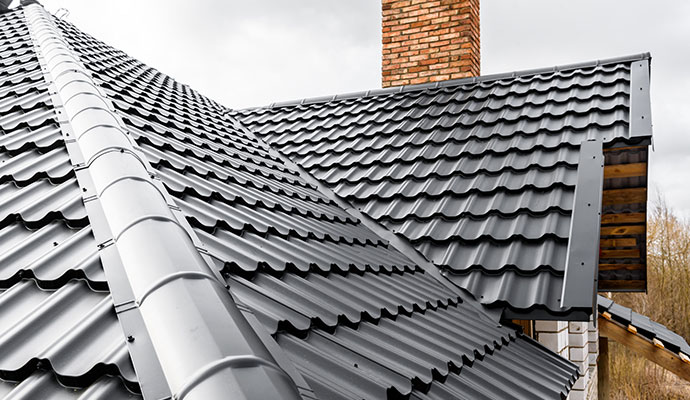
Roof replacement services that we offer include:
- Services: Roof damage repair, roof replacement, new roof construction, free quotes, and free consultations.
- Property Type: Commercial and residential roofing
-
Types & Styles of Roofing We Work on and Provide:
- Shingle roofing: Asphalt, wood, etc
- Metal roofing
- Pitched roofing
- Flat roofing
- Foam roofing
- Tile roofing: Clay, Concrete, etc
- Shake roofing: Wood, etc
- Green roofing
- Tar and gravel roofing
- Slate roofing: hard or soft
- Elastomeric coatings roofing
- Solar Panel Installed roofing
- Any other Modified or Custom roofing projects
Why Choose Dalworth Restoration For North Texas Roof Replacement
Licensed Roof Replacement Contractor in North Texas: Dalworth Restoration is a
full-service, licensed general contractor in
residential and commercial construction and restoration of all types in
the state of Texas.
Certified and Trained Professional: Our project managers, superintendents, and trade specialists are IICRC certified, professionally trained, and experienced in efficiently restoring any roofing project.
Direct Insurance Billing: We also work with most insurance companies and thus understand the insurance industry rules and regulations very well. We will assist you with roof replacement insurance claims to the completion of the restoration job as well as bill the insurance claims directly. The work we do is generally covered in your insurance policy.
Professional Customer Service: Our goal is to make things convenient for you, Thus we don't keep any stone unturned when it comes to giving you the best customer service possible. Our state-of-the-art drying equipment and trucks are always ready for 24/7 emergency response and we can arrive on-site in about an hour in most cases.
Quality Products: We use high-quality roofing materials from industry top brands that are durable, energy-saving, and cost-effective.
All Your Construction And Restoration Services Under One Roof: Besides roof replacement, we also provide other reconstruction services throughout North Texas and DFW Metroplex areas.
Contact Dalworth Restoration at 817-203-2944 or here to arrange your immediate consultation with one of our construction supervisors and design teams to start the restoration process for your roof replacement.
Other pages you may be interested in...